
Refactoring the shadowmaker has become a bigger headache than I had originally anticipated, but it’s for the long-term health of the system, so I’m sticking to my guns. This weekend added further drama when I finally stopped running away from frontmatter and embraced it for all my metadata. Sure, scattering #ch-command directives throughout the body of the notes was insane, but fixing it is going to mean more than just adding a few metadata fields. I may have to completely change the way I use Obsidian.
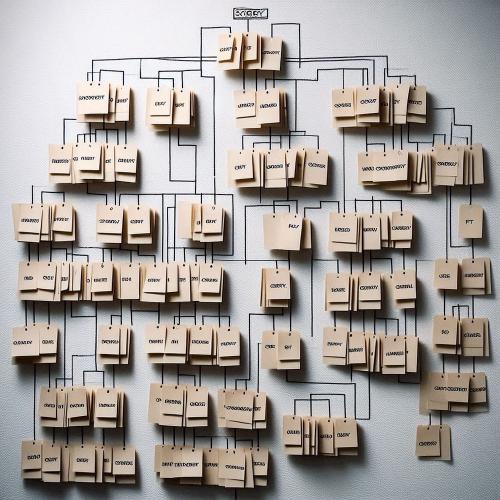
I’ve mentioned that this will be my primary (and possibly only) presence on the web. But if it’s going to support all the different things I want to do, it’ll have to be pretty powerful. After implementing a basic “everything” feed, I sat down and sketched out what a more nuanced system might look like.
◇◆◇◆◇◆◇◆◇◆◇◆◇◆◇◆◇◆◇
As with many aspects of this site, things get complicated because I like to have so many projects going at once, and in so many different fields and genres. I can’t expect people who follow my novels to be interested in my electronics projects, and neither of them are necessarily interested in my cartoons. Everyone who comes here comes for completely different reasons, so I want to be able to let each person pick and choose which parts they want to follow.
That means not just a feed for each project, but also a feed for each thematic tag. Maybe you don’t particularly care about any specific project, but you’re interested in seeing all my design sketches, or articles that touch on programming, regardless of which project they’re in.
So if I’ve got 20 projects and 30 thematic tags, that’s a lot of different feeds to manage. Fortunately, Hugo can do most of the heavy lifting for me, getting each article summarised into each of the relevant feeds. The problem, I think, will be making it easy for visitors to find the feed address they want.
My plan currently will be to have a drop-down menu called RSS Feeds next to the Projects menu. It will have at least a submenu for Projects and another for Themes, although there may be more later, if I discover other useful ways to categorize things. I’ll also put an RSS icon anywhere I show lists of tags or projects. Not obtrusive, but close at hand wherever you might decide you want it.
I’m not sure how many people still use RSS, but I’ve decided that I’d rather serve the few who actively come here consciously looking for a feed, than to push my stuff into social media and provide yet more content for the subconscious algorithmic exploitation of humanity’s collective attention span.