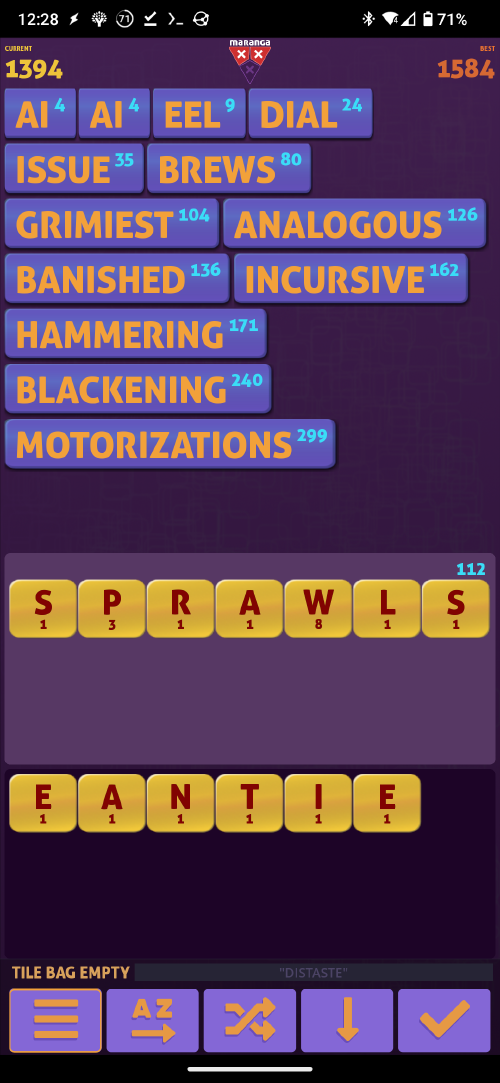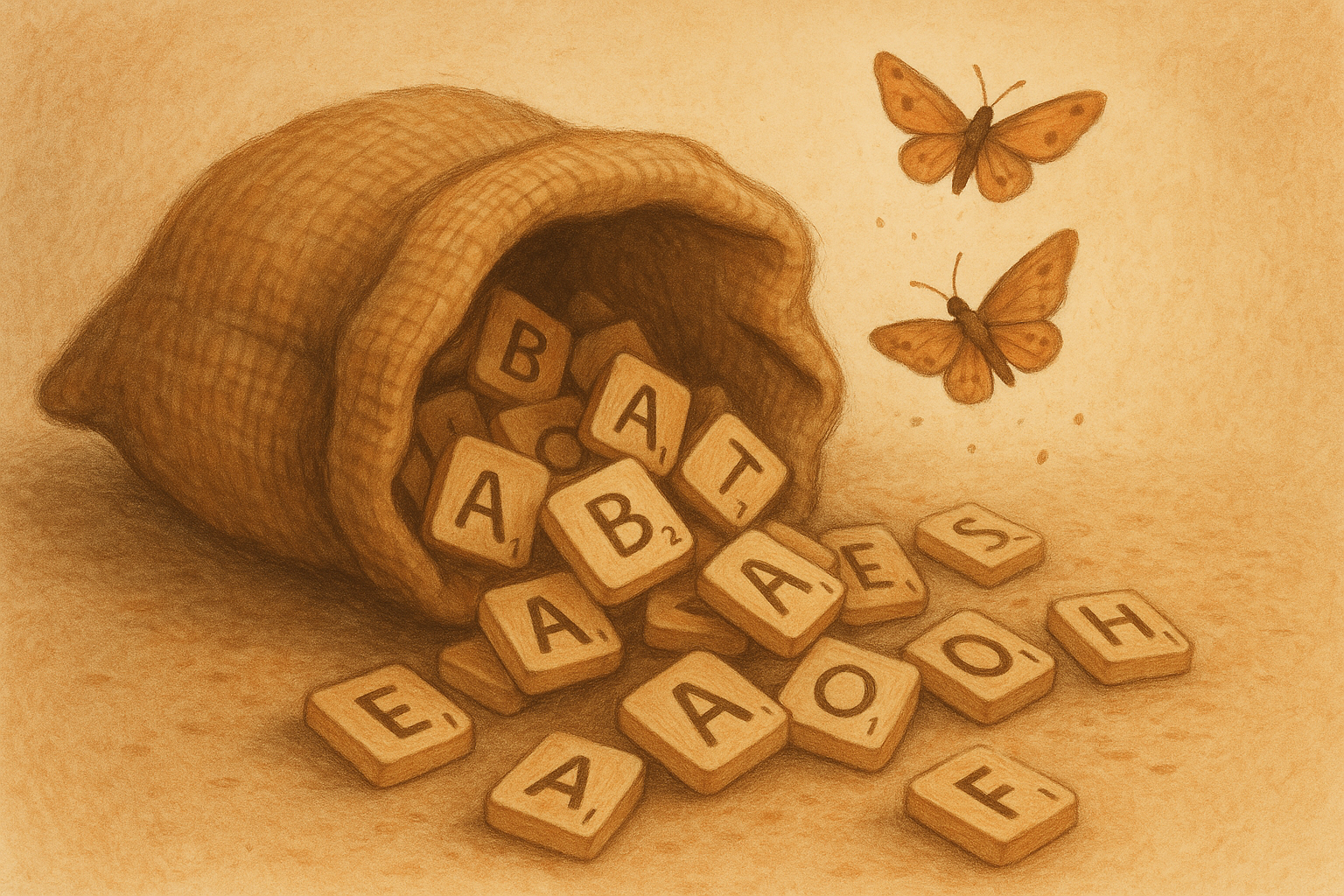
After six long years of personal play testing, it’s finally time to see whether Maranga has an audience. Everything has been working happily for several years now, on my phone and the phones of a few friends. What remains is to polish the doorknobs and put out the welcome mat. Then we’ll finally get to see if anybody comes to the door.
◇◆◇◆◇◆◇◆◇◆◇◆◇◆◇◆◇◆◇
In keeping with my openness policy, all my tools and games are being released completely cost-free and completely ad-free. Instead of trying to monetize the game itself, I’m going to try an experiment, by building a community around the game, and see if the more eager players who really enjoy Maranga will support me by subscribing to a weekly club newsletter.
If they do, that will provide some funds that I can use to add more features and expand to other platforms, like Apple. And if not, then we all still have it on Android and Linux, to play as often as we like, for as long as we like, without intrusion from any in-game upselling or between-game ad breaks.
To get ready for that experimental release, I’ve got a bit of work left to do:
Release Plumbing
In the years that have passed since I wrote Maranga, many things have changed in the Android distribution field. I’ve had to update my tools and build processes to get new versions installable, and I’m going to have to climb Mount PlayStore before we can launch to the masses, but in the meantime, I’m getting ready to go direct, by offering an APK direct to Patreon supporters while we get things rolling.
Feature Polish
While the game has been perfectly playable for a long time, I’ve trained myself to ignore a few annoying quirks, and live without some obvious quality-of-life features. Things as simple as tiles that sometimes hide behind other tiles, or as complicated as making it easy to challenge a friend to duel. The tutorial is still a bit sketchy, and the settings panel is a shambling nightmare of abandoned features and stillborn experiments. Cleaning all that up is nothing more than good hygiene.
Patreonage
The biggest change to Maranga will be adding support for an actual user community. I want it to be easy to invite newsletter readers to play a specific game, and for them to share their game results with me. I also need to build out the infrastructure for how to write each edition of the newsletter without spending the entire week on it, and how to send them through Patreon. I don’t yet know the best way to deliver downloadable APKs to followers, where to host bug reports, or how to manage discussions.
Lots to learn, lots to build, and lots more issues waiting to be discovered. But the take home message is simple - Maranga is back, baby! Out of storage and back under active development, with a single purpose: getting it into peoples’ hands as quickly as possible.
Maybe even your hands.